
+1 Speed Slime Escape
Beos StudioArcade
4.91.00 Reviews
- Version
- 0.1
- Installs
- 10.00K
- Age Rating
- Teen
Screenshots
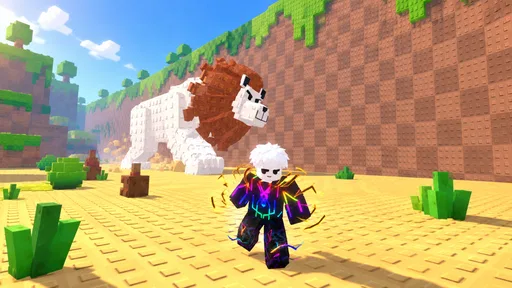
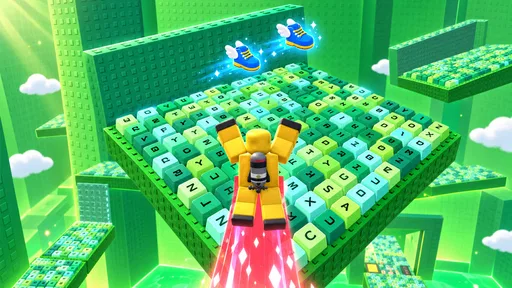
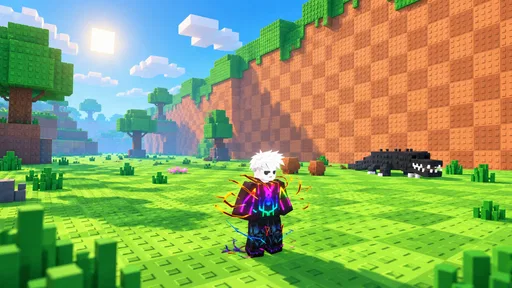
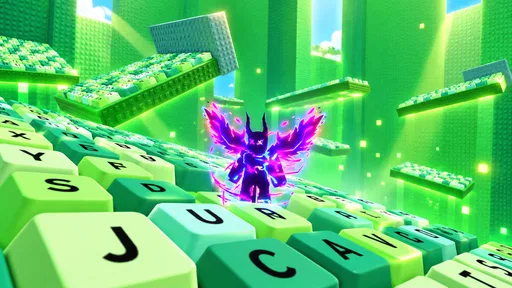

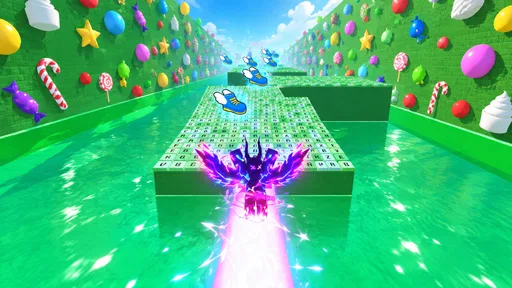
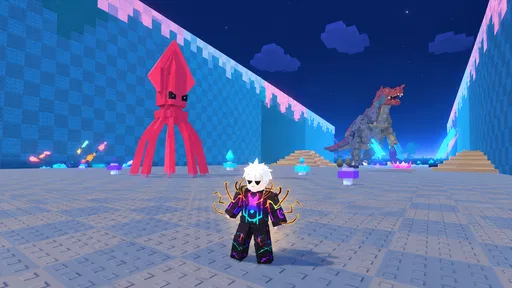
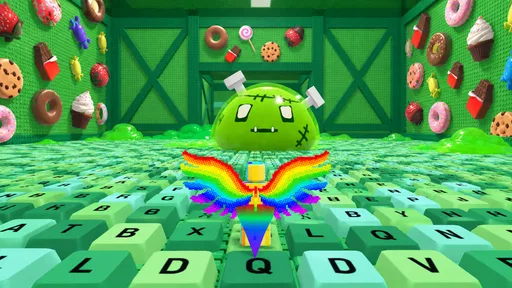
Our Review of +1 Speed Slime Escape
 Analysis by Appyee
I went into +1 Speed Slime Escape expecting a simple arcade challenge, and that is exactly where its appeal lies. The idea is easy to understand: keep moving, build speed, complete the obstacle course, and stay ahead of the slime rising behind you. There is no complicated setup to learn before playing, so it suits the kind of short session I can start when I have only a few spare minutes.
What makes the game more interesting than its short description suggests is the pressure created by its central trade-off. Every improvement in speed feels useful, but speed also makes movement harder to judge. The faster I become, the less forgiving a missed turn or poorly timed jump feels. That gives the arcade format a clear rhythm: begin carefully, collect momentum through progress, then decide whether to play safely or push forward before the slime removes the room for mistakes.
Beos Studio keeps the concept focused rather than surrounding it with unnecessary complexity. This is a free arcade game for players who want an immediate challenge, not a long role-playing system or a story-driven adventure. It carries a Teen content rating, so families should check whether that age guidance fits the intended player before installing it.
How the speed changes the way each run feels
I find the changing pace most useful to think about as a shift in decision-making, not simply a boost that makes every run better. This section looks at how I balance learning the route with keeping momentum, and why the same obstacle can feel different once I’m moving faster. That balance also affects how demanding a longer string of attempts can become.
Fast starts are not always the best starts
The most useful thing I learned while playing is that speed should be treated as a resource to manage, not simply a reward to chase. The promise of gaining speed makes it tempting to rush from the opening moment, but an early mistake can leave a run feeling unrecoverable. I found it more effective to use the first part of a course to understand its rhythm, then take bigger risks once I had a better sense of the path.
That approach gives the game more depth than a basic endless runner. In many runners, the main goal is to react quickly to whatever appears next. Here, the rising slime adds a second layer of decision-making. I am not only asking whether I can clear the next obstacle; I am also asking whether a slower, safer movement will leave enough time to recover. The result is a compact arcade loop that rewards attention rather than random swiping.
The perceived speed is also influenced by familiarity. On a first attempt, the course can feel quicker because I am still learning where to focus. After a few attempts, the same movement becomes easier to read, and the challenge shifts from surprise to execution. That makes the game a good fit for players who enjoy repeating a short section until their timing improves.
Why the rising slime matters
The slime is more than a visual threat. It gives failed attempts a clear sense of urgency and prevents me from treating the obstacle course as a relaxed sightseeing trip. If the game only asked me to reach the end, I could approach every section slowly. The rising hazard forces a decision between observing the route and moving before the safe margin disappears.
That pressure creates a useful tip for new players: do not spend too long trying to make every movement perfect. A cautious approach is valuable when learning, but hesitation can become its own mistake. I had better results when I accepted a small amount of risk and kept the run moving, especially after gaining enough speed to make the next section more manageable.
Players who dislike time pressure may find this design tiring. The same mechanic that gives the game energy can make it frustrating when a run ends because of one delayed decision. I would recommend it to people who enjoy retrying a challenge, but not to someone looking for a calm platforming experience where exploration matters more than escape.
Useful habits for better attempts
One practical habit is to separate learning attempts from scoring attempts. During a learning run, I focus on recognizing the obstacle layout and noticing where my movement becomes uncertain. During the next run, I try to keep the opening smooth instead of immediately chasing the fastest possible progress. This prevents the common mistake of repeating the same rushed error without learning anything from it.
Another useful habit is to avoid changing direction unnecessarily. In a speed-focused obstacle course, extra movement can be more damaging than a slightly slower line. I found that choosing a clear route early and committing to it made the game feel more predictable. This is especially helpful for players using a smaller phone screen, where quick visual corrections may be less comfortable.
A final tip is to treat the slime as a timing signal. Rather than staring at it constantly, I use its approach to decide when caution is no longer useful. That keeps my attention on the course while still respecting the central threat. It is a small change, but it makes the game feel less frantic and gives each attempt a clearer plan.
What happens during repeated and demanding play
After the basic escape loop clicks, repeated play becomes a test of whether I’m learning from each failure or just restarting on impulse. Here I consider how to keep retries purposeful and when a short break is more helpful than another immediate attempt. Those habits matter most when the game’s quick bursts of pressure start to feel demanding.
Short sessions are the natural use case
This game works best in short bursts. I can imagine playing it while waiting for transport, taking a break between tasks, or looking for something quick before putting my phone away. The simple premise means I do not need to remember a complicated storyline or rebuild a large strategy every time I return. A failed run is easy to understand, and restarting the challenge does not require a long preparation period.
That simplicity is a strength, but it also sets a limit. Players who need a large amount of content, extensive customization, or a long-term progression system may find the experience narrow. The appeal comes from improving execution inside the escape challenge, so the game is more satisfying for someone who enjoys mastery than for someone who expects a broad arcade collection in one app.
In an everyday situation, I would use it as a focused break rather than background entertainment. If I have only a few minutes, I can play with full attention and stop after an attempt. It is less suitable when I want to play while watching something else, because the rising slime and speed changes demand concentration. Looking away for even a short moment can turn a manageable section into a quick failure.
Where heavy use can feel demanding
The most demanding moments are not necessarily the longest ones. A short section can require more attention than an extended run if speed has already increased and the next obstacle arrives before I have fully adjusted. That makes the game feel intense in bursts rather than steadily exhausting. I appreciate that structure because it creates natural pauses between attempts, although players who prefer a gentle difficulty curve may experience those bursts as abrupt.
Repeated retries can also expose the difference between learning and repetition. If I change my approach, another attempt feels worthwhile. If I simply repeat the same route at the same pace, the game can become frustrating quickly. My recommendation is to set a small goal for each session, such as improving the opening, surviving one difficult section, or testing a safer line. That keeps the challenge purposeful instead of turning it into automatic restarting.
Because the game is built around speed, comfort matters during extended play. I would not judge it as a title meant for long, continuous sessions without breaks. The better experience comes from several focused attempts, especially on a device where touch controls require precise movement. Short pauses also help me return with better timing instead of reacting impatiently after a failure.
Performance expectations without overpromising
The game’s compact arcade concept gives it a lighter feel than a large action title with expansive environments, but I would still avoid assuming that every phone will behave identically. The experience depends on the device, the operating system, and whatever else is active in the background. On an older phone, closing unused apps before playing is a sensible way to reduce distractions and keep the session focused.
I also recommend checking the phone’s available space before installing any new game, even when the concept appears small. A device that is nearly full can be inconvenient for updates or normal operation. That is not a special warning about this title; it is simply good practice when adding a new arcade game to a busy phone.
For demanding sessions, I would avoid playing while the device is already warm or while many other apps are competing for attention. If the game feels less responsive, restarting the app and reducing background activity is a reasonable first step. These are practical recovery habits, not promises of a particular frame rate or battery result.
Reliability, recovery, and returning to a run
A failed run is easier to recover from when I can name the decision that caused it and adjust one thing next time. This section focuses on practical ways I separate a timing mistake from a session that simply needs a reset, so returning to play feels deliberate rather than frustrating. The device itself also shapes how comfortable those attempts are.
A clear loop helps after failure
One reason the game is easy to return to is that the objective stays clear. The player runs, builds speed, negotiates the obstacle course, and tries to escape the rising slime. When an attempt fails, I understand what went wrong without needing to inspect a complicated results screen or remember a chain of missions. That clarity is valuable in an arcade game because it keeps the next attempt close to the previous one.
My preferred recovery routine is simple: pause for a moment, identify the exact decision that ended the run, and change only that part on the next attempt. If I rushed a turn, I slow that turn slightly. If I hesitated while the slime was approaching, I commit earlier. Making one adjustment at a time gives useful feedback and prevents the game from feeling like a test of luck.
Players should also distinguish between a genuine control problem and a timing mistake. Fast movement can make a correct input feel late, particularly when attention is divided. Before deciding that the game is unreliable, I would try a few runs with both hands positioned comfortably and the screen free of accidental touches. That small check can reveal whether the issue is the route, the timing, or the way the phone is being held.
What to do when a session does not go smoothly
If the game stops responding normally, the sensible sequence is to leave the session, reopen it, and make sure the phone is not under unusual load. I would also avoid switching rapidly between several apps during a run, since multitasking can interrupt concentration even when the game itself is working correctly. A clean, focused session is the best way to judge an arcade title built around quick reactions.
Recovery is also about managing frustration. Since the challenge is compact, a poor attempt can feel more personal than it deserves. I found that taking a short break after several identical failures helped more than immediately trying again. Returning with a fresh view made it easier to notice a safer route or a better moment to accelerate.
The current version is 0.1, which places the game at an early stage of its version history. I see that as a reason to keep expectations realistic: the core idea is easy to understand, but players who expect a deeply expanded arcade package should consider whether a small, focused experience is enough for them right now. The early version also makes the straightforward design feel appropriate rather than unfinished in the context of a quick challenge.
Device fit and who should choose it
The game’s narrow, reaction-focused design makes device comfort part of the decision, alongside age guidance and personal tolerance for chase pressure. I look at the kinds of players who are most likely to enjoy its short escape challenges, and when a calmer or more varied arcade game would be a better fit. That helps set realistic expectations before installing.
Compatibility and practical comfort
The listed minimum operating system is Android 7.1, so the game is aimed at a broad range of Android devices rather than only the newest phones. That does not guarantee identical comfort on every model. Screen size, touch sensitivity, available memory, and the age of the device can all affect how easy it is to react when the pace rises.
On a compact phone, I would hold the device in a way that leaves the main touch area unobstructed and avoid playing with one hand if that makes my thumb cover important visual information. On a larger screen, the course may be easier to read, but reaching across the display can introduce its own awkwardness. The best setup is the one that lets me see the route without shifting my grip during a tense section.
Battery-conscious players should treat it like any other active arcade game: use a reasonable screen brightness, close unnecessary background apps, and avoid long sessions when the phone is already low on power. I would not install it specifically for battery-saving play. Its value is in focused interaction, not passive use.
Who will enjoy it most
I think the strongest audience is made up of players who like fast retries, simple goals, and the satisfaction of gradually improving their timing. It is also a good choice for someone who wants an arcade game that can be understood immediately but still creates pressure through its speed system and rising hazard.
It may suit younger players within the Teen age guidance, but I would still consider the individual player’s tolerance for urgency and repeated failure. The game asks for attention and persistence more than patience. Someone who enjoys obstacle challenges but dislikes being chased may prefer a slower platformer instead.
Players should skip it if they are looking for narrative progression, a large world, detailed character development, or a relaxed experience. It is not the right replacement for a traditional platform adventure or a collection of varied arcade modes. Its identity is much narrower: one focused escape idea, repeated until movement becomes cleaner and decisions become faster.
How it compares with familiar arcade alternatives
Compared with a conventional endless runner, this game puts more emphasis on escaping a specific threat and managing the consequences of increasing speed. A typical runner may encourage constant forward motion with obstacles appearing as the main source of difficulty. Here, the slime gives the run a more direct sense of pursuit, while the obstacle course makes route choice feel important.
Compared with a traditional platformer, it offers less room for exploration and more immediate pressure. A platformer is often about learning a world over time; this experience is about improving a compact movement challenge through repetition. That makes it easier to pick up for a quick session, but less rewarding for players who want discovery, story, or a wide variety of environments.
Compared with slower puzzle-arcade games, it demands quicker decisions and gives less time to reconsider an action. The trade-off is energy. I would choose this title when I want my break to feel active and focused, while I would choose a puzzle game when I want to think without the pressure of a rising hazard.
My performance verdict after weighing the trade-offs
+1 Speed Slime Escape succeeds because its central idea is immediately readable and its pressure comes from a meaningful interaction between speed, obstacles, and the rising slime. I like that the game does not require a long explanation before the challenge begins. The best moments come when I recognize a route, accelerate with confidence, and still leave myself enough control to survive the next section.
Its limitations are equally clear. The focused design will not satisfy everyone, especially players expecting extensive content or a calm pace. Repeated failures can feel sharp, and the faster sections demand more concentration than the simple presentation might suggest. Device comfort also matters, so an older or crowded phone may not provide the smoothest setting for precise arcade play.
Beos Studio’s game has reached over ten thousand installs and holds a 4.9 average from roughly three hundred ratings, which suggests that its straightforward challenge has connected with the people who have tried it. I would treat that reception as encouragement rather than a reason to expect a universal fit. The game is free, so trying it involves little commitment, but the real question is whether you enjoy repeating a short escape challenge to improve your timing.
My final recommendation is positive for players who want a quick, speed-focused arcade game with a clear threat and a reason to retry. I would install it for short, attentive sessions, use the first attempts to learn the route rather than chase maximum speed, and take breaks when repeated failures stop producing new information. If that style sounds enjoyable, this small game can provide a satisfying test of reaction and control without demanding a large time investment.
Verdict
Strengths of +1 Speed Slime Escape
- Simple controls make it easy to start playing immediately.
- Fast-paced levels provide short, engaging gaming sessions.
- Bright slime-themed visuals give the game a cheerful style.
- Increasing speed keeps challenges exciting as you progress.
- Suitable for casual play when you have only a few minutes.
Limitations of +1 Speed Slime Escape
- Repeated obstacles may feel predictable after extended play.
- The high speed can make some sections frustrating for beginners.
- Limited gameplay variety may reduce long-term replay value.
- Progress can depend heavily on quick reactions and timing.
- Ads may interrupt the experience, depending on the device version.
Other Releases by Beos Studio
View All
Obby Chapters: Escape Games
Adventure4.3
Similar Picks in This Category
View All
Subway Surfers
SYBO Games4.6

Stickman Party 234 MiniGames
PlayMax Game Studio4.6

Subway Princess Runner
Ivy4.4

Temple Run
Imangi Studios4.2

Zombie Tsunami
Mobigame SAS4.6

Stack Ball - Crash Platforms
CASUAL AZUR GAMES4.5
Frequently Asked Questions
What is +1 Speed Slime Escape, and how is the gameplay structured?
+1 Speed Slime Escape is a fast-paced arcade-style game centered on guiding a slime character through obstacle-filled levels while building speed and avoiding hazards. The core gameplay is easy to understand, but the increasing pace makes later sections more demanding. Players need quick reactions, careful timing, and consistent movement to reach the finish line and achieve better results.
Is +1 Speed Slime Escape suitable for children and casual players?
The game is generally accessible to casual players because its controls and objective are straightforward. However, the rapid movement and progressively harder obstacles may require patience, especially for younger users. Parents should also review the app’s age rating, advertising settings, and any available in-app purchase information before allowing children to play without supervision.
Does +1 Speed Slime Escape require an internet connection?
Whether an internet connection is needed can depend on the version installed and the features being used. Basic gameplay may be available offline, but advertisements, updates, leaderboards, analytics, or other online services can require connectivity. It is best to launch the game once while connected and check which functions remain available when airplane mode is enabled.
Are there advertisements or in-app purchases in +1 Speed Slime Escape?
Players should expect that a free mobile game such as +1 Speed Slime Escape may include advertisements, optional purchases, or both. Ads can sometimes appear between attempts or levels, while purchases may offer bonuses or remove advertising. Before downloading, check the official store listing for current pricing, payment details, and parental-control options.
What device requirements and permissions should I check before downloading?
Before installing +1 Speed Slime Escape, confirm that your Android or iOS device meets the operating-system requirements shown on the official store page and has enough free storage for the download and updates. Also review the permissions requested by the app. If the game performs poorly, closing background apps and updating the operating system may help.
Play our best games!


